
Famous Iranian Cities for Carpets offers a journey through Persian weaving traditions, from the refined designs of Tabriz and Kashan to the vibrant tribal carpets of Shiraz. According to "Modema" website, Iranian carpets are not just decorative objects but cultural storytellers, and their contemporary approach brings Persian-inspired designs into modern homes with practical, layered carpet solutions for today's lifestyles.
Iranian carpets are among the best-known expressions of Persian art and craftsmanship. Across the country, carpet weaving has developed in response to local culture, geography, materials, and artistic traditions. As a result, an Iranian carpet is rarely just a decorative object: its colors, motifs, composition, and weaving techniques can reveal something about the place where it was made.
For travelers interested in Iran’s cultural heritage, exploring its carpet-producing cities offers another way to understand the country. From Tabriz and Kashan to Isfahan, Nain, Kerman, and Shiraz, each center has its own visual language and history.
The Heritage of Persian Carpets
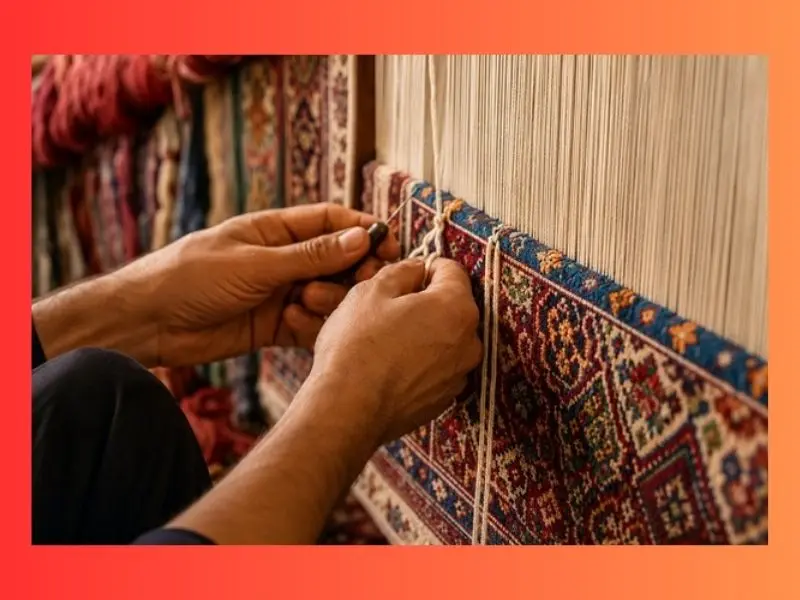
Carpet weaving has deep roots in Iranian culture. Over generations, designs and techniques have been passed from one generation to another, while local weavers have adapted traditional patterns to changing tastes. Natural materials such as wool, cotton, and silk have played an important role, and the quality of a carpet depends on factors ranging from the fiber and dyes to knotting, density, finishing, and the skill of the weaver.
Iranian carpets are particularly valued for their detailed patterns and the way they combine practical craftsmanship with artistic expression. Floral compositions, medallions, geometric forms, gardens, trees, and symbolic motifs can all appear in Persian carpet design.
Famous Iranian Cities for Carpets
Tabriz
Tabriz, in northwestern Iran, is one of the country’s most important historical carpet centers. Tabriz carpets are known for refined drawing, detailed floral and medallion designs, and a long tradition of professional carpet production. The city’s location also helped it become an important commercial center connecting Iran with neighboring regions.
Kashan
Kashan is another celebrated name in Persian carpet history. Kashan carpets are often associated with elegant floral patterns, balanced compositions, rich colors, and careful workmanship. The city itself is famous for its historic houses, gardens, traditional crafts, and cultural heritage, making carpets part of a much wider artistic tradition.
Isfahan
Isfahan has a special place in Iranian art and architecture, particularly because of its importance during the Safavid period. Isfahan carpets are often recognized for their sophisticated designs, fine workmanship, and harmonious compositions. Floral motifs, central medallions, and elaborate decorative details are common features.
Nain
Nain carpets are generally associated with relatively light color palettes, including ivory, cream, and blue, together with fine floral and medallion patterns. Their restrained appearance has made them popular among people who prefer an elegant carpet that can work well in contemporary interiors as well as traditional spaces.
Kerman
Kerman, in southeastern Iran, has also developed a distinctive carpet tradition. Kerman carpets are often known for their floral compositions, elaborate designs, and carefully selected colors. The region’s carpet heritage reflects the broader cultural diversity of southeastern Iran.
Shiraz: A Different Face of Persian Carpet Culture
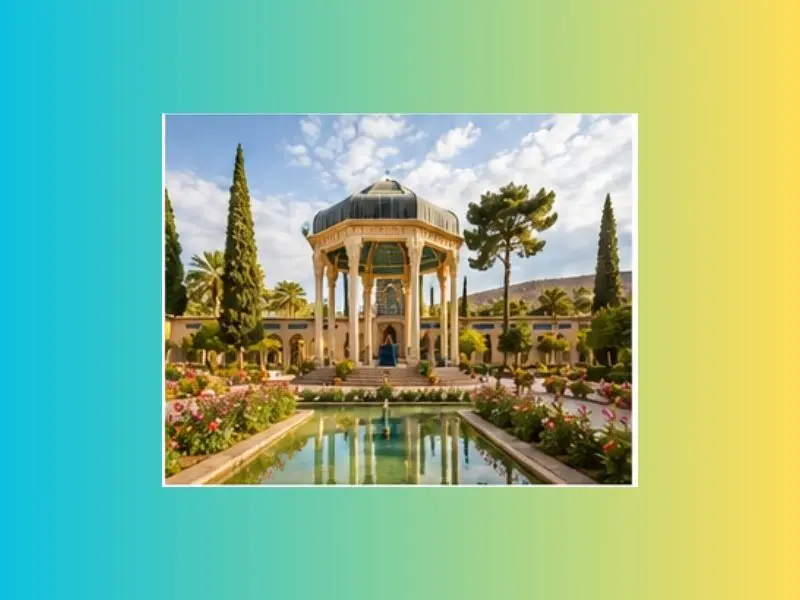
Shiraz, the capital of Fars Province, is internationally associated with Persian poetry, gardens, historical monuments, and the cultural heritage of southern Iran. The city has a character that is different from the major commercial carpet centers of northern and central Iran, and this difference can also be seen in local weaving traditions.
Shiraz and the wider Fars region have long been connected with tribal and village weaving. These carpets can have a more expressive and lively character, with geometric forms, stylized flowers, repeated motifs, and strong contrasts. Their appeal often comes from the sense that the design is connected to the visual culture and everyday life of the region.
Visitors exploring Shiraz can therefore look beyond the city’s famous monuments and discover another aspect of local heritage through carpets and traditional crafts.
Modema Carpet in Shiraz
Among the names associated with the ern carpet story of Shiraz is Modema. Modemacarpets represent an effort to bring the visual richness of Iranian carpet design into a more contemporary and practical format.
The idea is particularly interesting because modern homes often require floor coverings that are easy to maintain, adaptable, and visually compatible with different styles of interior decoration. Modema combines decorative patterns inspired by Persian carpet aesthetics with a product concept designed for contemporary use.
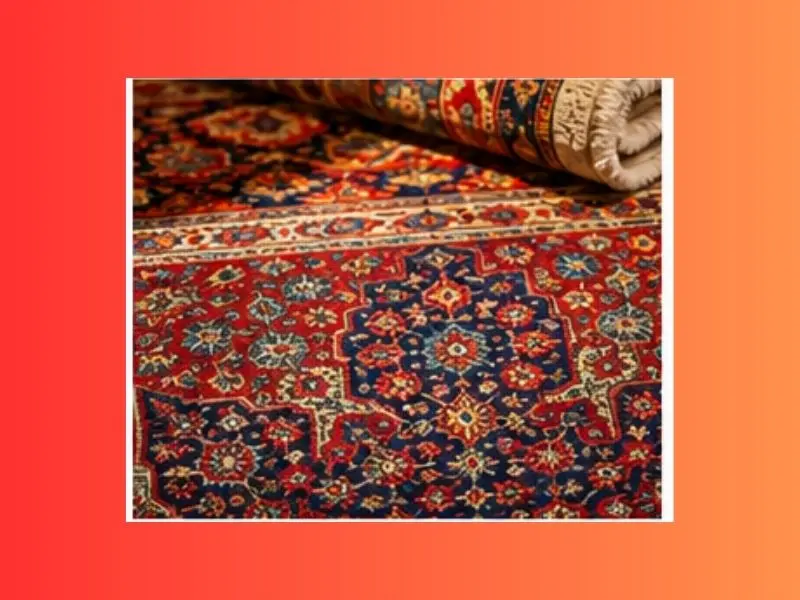
One of the features associated with Modema is its layered construction, which allows the visible upper layer to be changed. This approach can offer greater flexibility than a conventional fixed carpet: the appearance of a room can be refreshed without replacing the entire base.
Modema designs also cover a wide range of patterns, allowing users to choose between different visual styles. This makes the product relevant not only to people looking for a traditional Persian atmosphere but also to households interested in modern interior design.
As with any carpet product, consumers should consider the specific model, materials, construction, care instructions, and intended use before making a purchase. What makes Modema particularly interesting from a cultural perspective is the way it connects Iranian decorative traditions with a contemporary approach to home furnishing.
Modema Carpet in Russia: Bringing an Iranian Design Concept to a New Market
The story of Modema becomes even more interesting when considered beyond Iran. Russia is a large and culturally diverse market in which consumers encounter many different traditions of interior decoration. Iranian carpets can add a distinctive aesthetic to Russian homes, offices, hospitality spaces, and other interiors.
The presence of Modema in Russia can be viewed as part of a broader cultural exchange between Iran and Russia. Rather than presenting Persian carpet only as a traditional souvenir or collectible, a contemporary product such as Modema can introduce Iranian-inspired patterns to people who are looking for practical and decorative solutions for everyday spaces.
The Russian Modema carpet company is positioned around this concept: presenting Modema carpet products to customers in Russia and making the designs accessible within the Russian market. For customers interested in Iranian design, such a presence can provide an opportunity to explore a different approach to Persian-inspired interior decoration without having to travel to Iran.
At the same time, the Russian market has its own expectations regarding home decoration, practicality, maintenance, and product availability. This makes local presentation and customer service an important part of introducing an Iranian-origin carpet concept to Russian consumers.
From Shiraz to Russia: The Journey of a Persian-Inspired Carpet
The journey of an Iranian carpet from a local cultural tradition to an international market is a reflection of how traditional crafts can evolve. Persian carpet designs have crossed borders for centuries through trade, travel, and cultural exchange. Today, modern companies can continue that process by adapting Iranian-inspired products to new lifestyles and markets.
Shiraz is particularly interesting in this context. The city is already one of Iran’s most recognizable cultural destinations, associated with poetry, gardens, history, and the artistic traditions of Fars. A carpet associated with Shiraz adds another dimension to that cultural picture.
For travelers, learning about Iranian carpets can make a visit to the country more meaningful. Instead of seeing carpets simply as objects for sale, visitors can recognize them as part of the cultural geography of Iran. A Tabriz carpet, a Kashan carpet, an Isfahan carpet, a Nain carpet, a Kerman carpet, and a carpet associated with Shiraz may each tell a different story.
Conclusion
Iran’s famous carpet cities demonstrate the remarkable regional diversity of Persian weaving. Tabriz, Kashan, Isfahan, Nain, and Kerman each have their own traditions, while Shiraz and the wider Fars region offer another perspective rooted in southern Iranian culture.
Modema adds a contemporary chapter to this story by combining Persian-inspired visual traditions with a modern approach to carpet use. Its presence in Russia illustrates how Iranian design can travel beyond its original cultural environment and become part of a new international context.
For anyone interested in Iran’s heritage, architecture, art, and everyday culture, Persian carpets provide an especially rich subject. They connect craftsmanship with history, regional identity with design, and traditional knowledge with modern life.