



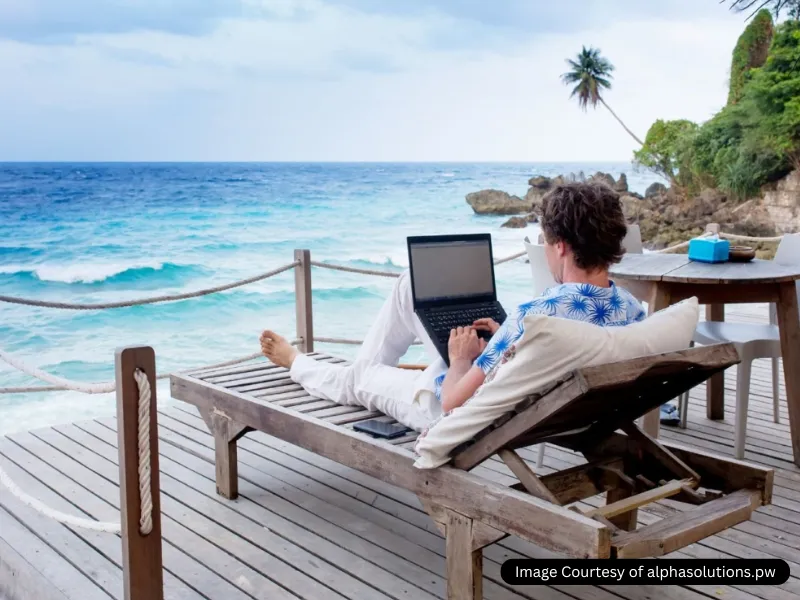
Remote Work While Traveling offers the freedom to blend productivity with exploration, but it also requires disciplined time management and cozy location. According to "Rent Remote" website, there are several factors you should consider when renting a place for remote work that are explained in this post.
The rise of remote working has transformed how professionals approach their careers, opening up opportunities to blend productivity with exploration. Whether you’re a seasoned digital nomad or embarking on your first work-from-abroad adventure, choosing the right location and accommodation can significantly impact your effectiveness and overall experience. Understanding the balance between reliable infrastructure, comfortable workspaces, and lifestyle considerations is essential for maintaining professional standards while enjoying the freedom of global mobility.
Essential Infrastructure and Connectivity Requirements
When selecting a destination for remote work, the foundation of your success rests upon dependable technical infrastructure. The quality of internet connectivity can make or break your ability to meet deadlines, attend virtual meetings, and collaborate with colleagues across different time zones.
Platforms such as Rent remote ensure that every property offers high-speed WiFi with speeds exceeding one hundred megabits per second, providing the bandwidth necessary for video conferencing, large file transfers, and seamless communication. This level of connectivity is not merely a convenience but a professional necessity for those whose livelihoods depend on stable digital access.
High-Speed Internet Access and Reliable WiFi Networks
Beyond basic internet availability, the consistency and reliability of WiFi networks deserve careful consideration. Many countries suitable for remote work have invested heavily in telecommunications infrastructure, making them attractive to the global workforce. Cities such as Barcelona, Dubai, and Abu Dhabi have established themselves as hubs for digital professionals, offering robust connectivity alongside vibrant cultural experiences.
Before committing to a location, researching average connection speeds and reading reviews from other remote workers can provide valuable insights into what to expect. Additionally, having backup options such as mobile hotspots or identifying nearby co-working spaces with guaranteed internet access can prevent disruptions to your workflow.
Power Supply and Technical Support Facilities
Equally important to internet access is the availability of stable power supply and technical support services. Frequent power outages or voltage fluctuations can damage equipment and interrupt critical work sessions. Many premium furnished apartments designed for remote workers include uninterruptible power supplies and surge protection as standard amenities.
Furthermore, proximity to technical support facilities, whether for hardware repairs or software troubleshooting, can save considerable time and stress when issues inevitably arise. Understanding the local infrastructure for these services before arrival ensures you’re prepared to address any technical challenges swiftly and efficiently.
Optimal Workspace Environments for Digital Nomads
While connectivity forms the technical backbone of remote work, the physical workspace environment profoundly influences productivity, comfort, and long-term sustainability. The days of working from uncomfortable makeshift spaces are giving way to purpose-built solutions that recognize the professional needs of remote workers. Whether through dedicated co-working facilities or thoughtfully designed accommodations, the right environment can enhance focus, creativity, and overall job satisfaction.
Co-Working Spaces and Dedicated Remote Work Hubs
Co-working spaces have emerged as vital resources for digital nomads seeking professional environments away from home. These facilities offer more than just desks and chairs; they provide networking opportunities, structured routines, and separation between work and leisure spaces. Cities with thriving remote work communities typically feature numerous co-working options with varying atmospheres, from bustling collaborative environments to quiet, focused spaces.
Many locations popular with remote workers, including Mexico City with its seven hundred and eighty properties suitable for professionals, and Medellin with two hundred and twenty-three options, have developed ecosystems that cater specifically to this demographic. These hubs often include additional amenities such as meeting rooms, printing facilities, and social events that help combat the isolation that can accompany remote work while traveling.
Quiet Accommodation Options with Professional Amenities
For those who prefer working from their accommodation, selecting the right rental property becomes paramount. Premium furnished apartments designed for remote workers increasingly feature dedicated workstations equipped with ergonomic furniture and professional-grade equipment. Some properties offer dual four-thousand-pixel monitors and Herman Miller Aeron chairs, recognizing that proper equipment reduces physical strain and enhances productivity during long working hours.
These accommodations extend beyond the workspace itself, providing amenities that support work-life balance such as swimming pools, fitness centers, and outdoor spaces that allow for mental breaks and physical activity. Cities like Valencia with two hundred and twenty-two properties and Paris with one hundred and forty-one options demonstrate the growing availability of such specialized accommodation across diverse cultural settings.
The financial aspect of these living arrangements varies considerably by location and property type. In cities such as Abu Dhabi and Dubai, monthly rent for premium apartments ranges from approximately four thousand seven hundred and sixty-five to seven thousand seven hundred and sixty-five dollars, while European destinations like Barcelona offer options between two thousand five hundred and three thousand euros monthly.
These figures reflect not just accommodation but comprehensive living solutions that include utilities, maintenance, and the professional amenities essential for effective remote work. Many of these properties also accommodate personal preferences such as pet-friendly policies, city views, or garden access, recognizing that remote workers seek environments that support both professional demands and personal wellbeing.
Beyond accommodation, understanding visa requirements and income thresholds for various destinations is crucial for legal compliance and long-term planning. Countries have developed specialized visa categories to attract remote workers, each with distinct requirements. For instance, Antigua and Barbuda offer the Nomad Digital Residence visa requiring an annual salary of fifty thousand dollars, while Estonia’s Digital Nomad and Freelancer Visa requires monthly income of three thousand five hundred and four euros for the preceding six months.
Mexico’s Temporary resident visa presents more accessible entry points with requirements of one thousand six hundred and twenty dollars monthly income or a bank balance of twenty-seven thousand dollars. These varying thresholds allow remote workers to select destinations that align with their financial circumstances while ensuring they meet host country expectations.
The rise of specialized services supporting remote workers has created an ecosystem that simplifies relocation and long-term travel. Corporate housing solutions trusted by companies worldwide provide vetted accommodation options with positive feedback from professionals across various industries.
These services handle the logistical complexities of finding, securing, and maintaining quality accommodation, allowing remote workers to focus on their professional responsibilities rather than administrative challenges. As the global workforce continues to embrace flexibility and mobility, the infrastructure supporting this lifestyle evolves to meet increasingly sophisticated demands, ensuring that productivity and comfort need not be compromised by geographic location.