





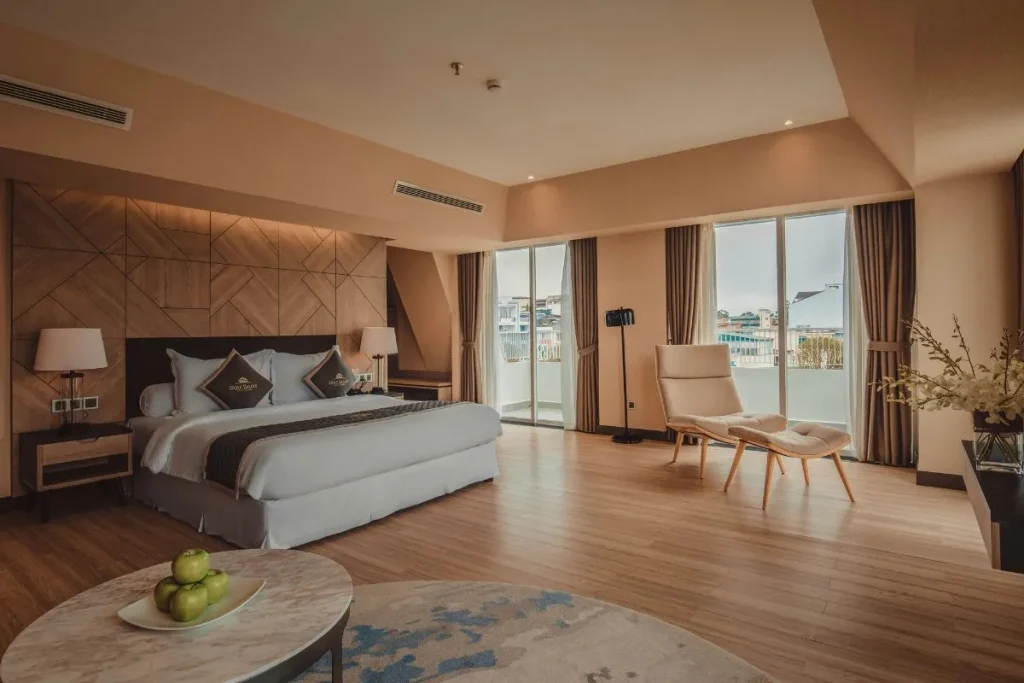
Creating a boutique hotel feel at home can seem difficult, but small, intentional upgrades make a noticeable difference. According to the “SolaceDeco” website, focusing on decluttered surfaces, layered lighting, refined textures, and subtle scent rituals helps transform everyday spaces into calm, elevated environments without renovation.
Introduction: Why hotels feel better than most homes
There is a reason a well designed hotel room feels calming within minutes. It is not because it is bigger or more expensive. It is because everything looks intentional. Surfaces are clear, lighting is gentle, and small details are grouped in a way that feels polished. One of the easiest hotel style tricks you can copy at home is creating a “designed moment” on any surface using a tray, for example a Keramik Tablett to gather everyday items into one clean visual zone instead of letting them spread everywhere.
The good news is you do not need a renovation to get that boutique hotel feeling. You need a handful of small upgrades that work together: less clutter, better light, richer textures and a simple sensory ritual that signals comfort. When these elements are aligned, a living room feels more expensive, a bedroom feels more restful, and even a hallway feels like an entrance, not a storage area.
This is also where thoughtful brands like SolaceDeco fit naturally into the story. Their focus on candles and modern room accessories in ceramic and Jesmonite is exactly the kind of “small but high impact” approach hotels use, objects that add warmth and character without making a space feel busy.
A hotel like atmosphere is not a single decor item. It is a system. Most hotels rely on the same invisible formula: control what you see first, soften what you feel, and remove anything that creates visual stress.
“Luxury is often fewer things, chosen well, and placed with intention.”
The biggest difference between homes and hotel rooms is not style, it is editing. Homes collect life over time: mail, chargers, random mugs, half used products, souvenirs with no place. Hotels remove almost all “unassigned items,” so your eyes can rest. They also layer comfort on purpose: a clean base, one or two strong textures, and lighting that flatters the room instead of fighting it.
In practice, a hotel feel usually comes from four foundations:
- clear, styled surfaces (nothing looks accidental)
- layered lighting (no harsh glare)
- cohesive textures (ceramic, fabric, wood, matte finishes)
- a simple sensory cue (a calm scent, warm glow, or a tidy ritual)
If you get these right, your space will look instantly more elevated, even before you buy anything new.
Upgrade 1: Declutter surfaces, then style them
Most homes do not feel “unfinished” because the furniture is wrong. They feel unfinished because the eye has nowhere to rest. Hotel rooms solve this with one simple rule: every visible surface is edited. That does not mean empty. It means controlled.
Start with the surfaces you see the most: the bedside table, the coffee table, the desk, the kitchen counter and the entry console. Clear each one completely. Then put back only what you truly use every day, plus one small styling element that makes the surface feel intentional.
A realistic guideline is the “3 to 5 rule”: if a surface holds more than five visible items, it often starts to look messy, even if everything is clean. Hotels avoid that effect by grouping objects and leaving negative space around them.
The 2 minute reset that keeps it looking good
You can keep this upgrade sustainable with a tiny routine. Set a timer for two minutes once a day, ideally in the evening, and do a quick surface reset: return cups to the kitchen, fold a blanket, stack papers into one place. It is not deep cleaning. It is visual maintenance.
Use trays to create instant structure
Trays are the fastest way to make “everyday life” look styled. Instead of having random items scattered across a surface, a tray creates a visual boundary, like a miniature stage. Keys, perfume, a candle and a small vase look curated when they live together inside one shape.
The trick is to avoid filling the tray completely. Leave a bit of breathing room so it feels premium, not crowded. Choose one dominant object (a candle, a small vase), one functional object (remote, hand cream), and one accent (a matchbox, a small ceramic piece). This is exactly the kind of small detail that makes a room feel like a boutique hotel without looking overly decorated.
Upgrade 2: Layer your lighting for a softer mood
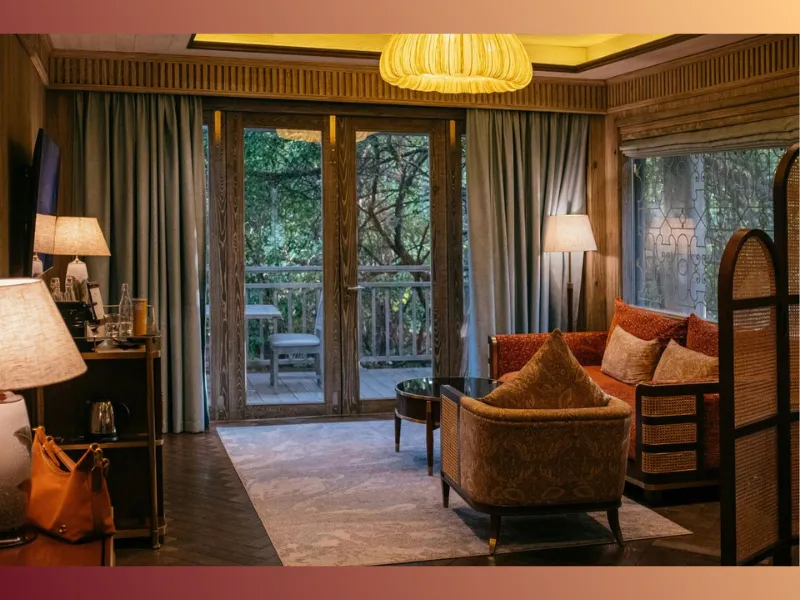
If you want one change that instantly upgrades a space, it is lighting. Hotels rarely rely on one bright ceiling light. They create comfort through layers, which makes the room feel warmer, calmer and more flattering to live in.
The problem with harsh overhead lighting is not only aesthetic. It can also affect your mood and energy. Cold, direct light often feels tense, especially at night. A hotel-like atmosphere uses lighting to gently guide your body into rest.
The hotel lighting trio
To recreate that effect at home, think in three layers:
- Ambient light
A soft base glow that fills the room gently. This can be a floor lamp, a wall lamp or a shaded table lamp. - Task light
A focused light where you need it: next to the bed for reading, near your desk, or above a kitchen work area. - Mood light
A small, warm source that signals comfort: a dim table lamp, a warm LED strip, or candlelight used safely.
You do not need expensive fixtures. Even swapping one bulb to a warmer temperature, adding one lamp and positioning it well can change everything. Place lights at different heights (for example, one floor lamp and one table lamp) to avoid a flat, “office-like” look.
A simple rule that makes it feel luxurious
Hotel rooms often feel more expensive because the light is not blasting the whole room. Instead, it creates gentle zones. Try this: in the evening, turn off the main ceiling light and use two smaller lights at opposite sides of the room. Immediately, the room feels calmer and more intentional.
This is also where a few well chosen accessories can support the mood without making your space feel staged. A ceramic candle holder, a small tray for matches, or a minimal decor piece can make the lighting setup look finished, not temporary. SolaceDeco’s style is built around that idea: simple, modern pieces that work quietly in the background but make the whole room feel more considered.
Upgrade 3: Textures that feel expensive, even on a budget
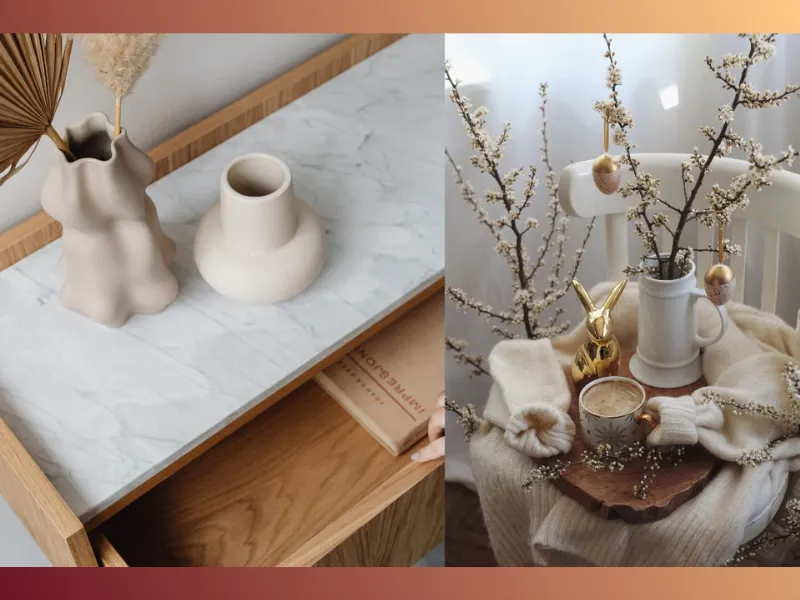
Hotels feel elevated because a few key textures look and feel better, not because they have more decor. Start with textiles: one crisp neutral cover, one heavier throw, and matching towels can create an instant “hotel finish” without adding clutter.
Then add one solid material that reads as premium. Ceramic is ideal because it looks timeless. A single ceramic piece or matte accessory can make the whole room feel more intentional, especially in a consistent colour palette. Minimal ceramic and Jesmonite pieces from SolaceDeco work well here because they add structure and warmth without visual noise.
Keep it simple: repeat just two textures across the room for a calmer, more cohesive look.
Upgrade 4: The signature scent trick hotels use
Many hotels feel memorable because they have a consistent scent. It is subtle, never overwhelming, but it makes the space feel clean and intentional. You can create the same effect at home by choosing one light fragrance that you use only in your “wind down” moments, not all day.
The most important rule is restraint. In a home, especially in small apartments, strong scent can quickly feel heavy. Choose a gentle option and support it with fresh air, even if it is just a short window opening before you start your evening routine. Pairing scent with soft lighting also helps because the brain reads the whole experience as “rest time”, not “background noise”.
If you enjoy incense, the setup matters. You want it to look neat, feel safe, and stay clean. A ceramic holder is one of the simplest ways to make the ritual feel polished instead of improvised, and this is where a Räucherstäbchenhalter Keramik can keep ash under control while turning a normal evening into something closer to a boutique hotel wind down.
Used this way, scent becomes a cue. It tells your body the day is slowing down, your shoulders can drop, and the home is now in comfort mode.
Upgrade 5: Bathroom details that feel spa level
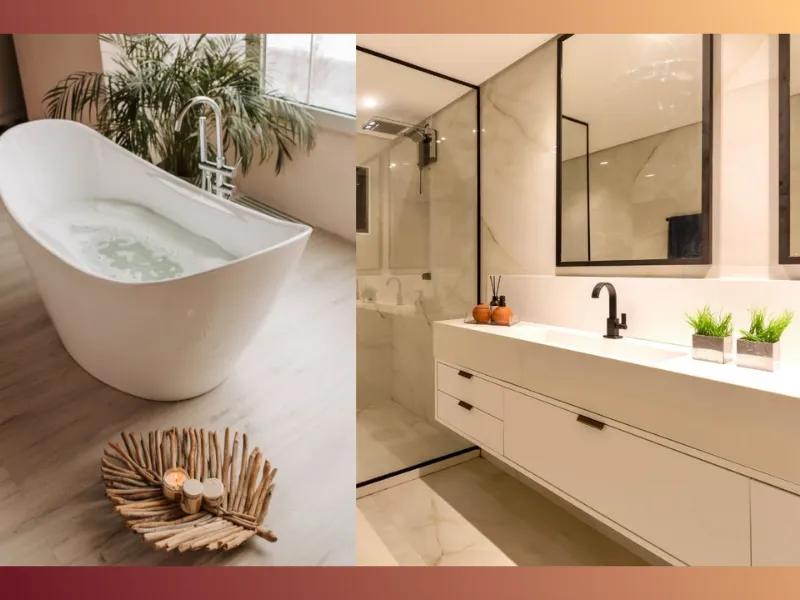
Hotels win bathrooms with small details, not renovations: clear surfaces, matching basics, and warm light. Start by clearing the sink and keeping only daily essentials. If you have many products, use matching refillable containers so the space looks calm even when it is fully used.
Next, upgrade the touch points: clean towels and a fresh bath mat. Finish with lighting. Cold, bright bathroom light can feel harsh, so switch to a warmer bulb and keep the mirror clean and well lit. One small calming element, such as a single candle placed safely away from water and towels, can turn the bathroom into a mini reset space instead of a purely practical room.
Upgrade 6: A hotel style entry moment
Hotels feel polished from the first step inside because they manage the “arrival scene”. At home, entrances often become drop zones for everything: keys, bags, shoes, mail, chargers. The fix is not complicated. You simply need one small, consistent system that keeps the mess contained.
Start by choosing one surface, even a narrow shelf or a small table. This becomes your landing zone. Keep it minimal and repeat the same items every day: a tray or bowl for keys, a hook or basket for a bag, and one small object that makes the moment feel welcoming. A tiny lamp or warm light nearby is especially powerful, because it changes the mood immediately, like checking into a room after a long day.
If you do not have space for furniture, you can still create an entry moment with a wall hook and a small shelf. The goal is not size, it is clarity. When your entrance is calm, the rest of your home feels calmer too, because you stop carrying visual stress from the door into every room.
A simple plan to apply this in one weekend
To keep this realistic, treat it like a quick “hotel refresh” rather than a full home makeover. You can do most of it in a weekend with a few focused blocks of time.
Day 1: Edit and reset surfaces
Walk through your home and choose four key surfaces: one in the living room, one in the bedroom, one in the bathroom, and your entry landing zone. Clear them fully, then rebuild them with the 3 to 5 rule. Group items, remove duplicates, and leave breathing room.
Day 2: Fix the lighting
Replace harsh bulbs with warmer ones where you spend evenings. Add one extra lamp if the room depends on overhead light. Test the “two lights, no ceiling” rule for one evening and notice how much calmer the space feels.
Day 3: Add texture and one signature ritual
Choose two or three textures to repeat across the home: for example ceramic, soft textiles, and warm wood. Then pick one simple wind down ritual. It can be a warm shower and a candle, or a short incense moment with a ceramic holder. Keep it subtle and consistent, so it becomes a cue for rest rather than just another product.
Conclusion: The hotel feeling is a system, not a shopping list
A hotel like home is not created by buying random “luxury” items. It is created by editing what you see, softening how the space feels, and adding small, intentional details that support your daily rhythm. When surfaces are calm, light is layered, textures feel cohesive, and your entry and evening rituals are clear, your home instantly feels more elevated.
The best part is that this approach works in any space, from a small apartment to a larger house. You are not copying a showroom. You are building comfort that looks good and feels good, every day.

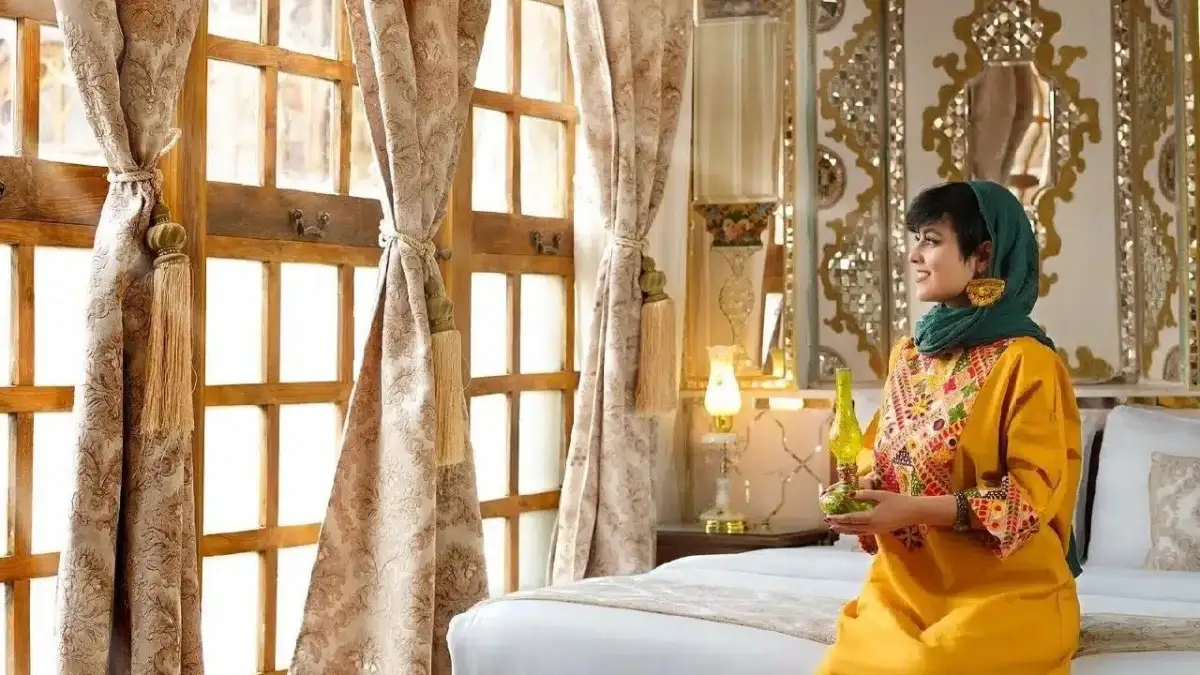






Really enjoyed reading this article , it beautifully explains how thoughtful design, warm aesthetics, and comfort-driven elements can truly transform a hotel stay into a homely experience. The way you’ve highlighted décor choices, lighting, textures, and layout shows how small details make a big difference in creating emotional comfort for guests. This is a great read for anyone interested in hospitality design, interior styling, or even home décor inspiration. Thanks for sharing such practical and insightful tips!
This article beautifully explains how thoughtful design, warm aesthetics, and comfort-driven elements can truly transform a hotel stay into a homely experience. The way you’ve highlighted décor choices, lighting, textures, and layout shows how small details make a big difference in creating emotional comfort for guests. This is a great read for anyone interested in hospitality design, interior styling, or even home décor inspiration. Thanks for sharing such practical and insightful tips.
Thank you so much for your kind words!