Types of Umrah Visas Available for PilgrimsChoosing the right Umrah visa is an important step for pilgrims planning their byWorld Tourism InfoFebruary 7, 2026
History of Tahirids: The Rise and Fall of an Iranian Dynasty in Post-Islam Iran (821–893)The Tahirid dynasty significantly shaped the political landscape of post-Islam byEditorial StaffDecember 24, 2025
History of Saffarids in post-Islam Iran (867 – 892)The history of Saffarids reminds everyone of Yaghub Leith Saffary byRahman MehrabyDecember 24, 2025
Sattar Khan; Biography and LegacySattar Khan was a prominent figure in the Iranian Constitutional Revolution byEditorial StaffDecember 24, 2025
CultureMarch 22, 2010 Bazaars in Iran (Persian Bazaars); Different typesBazaars in Iran (Persian Bazaars), these very old structures, were first formed byRahman Mehraby
Tourist AttractionsMarch 22, 2010 Vernacular Structures of Iran; Local ArtVernacular structures refer to the structures constructed by the people living byRahman Mehraby
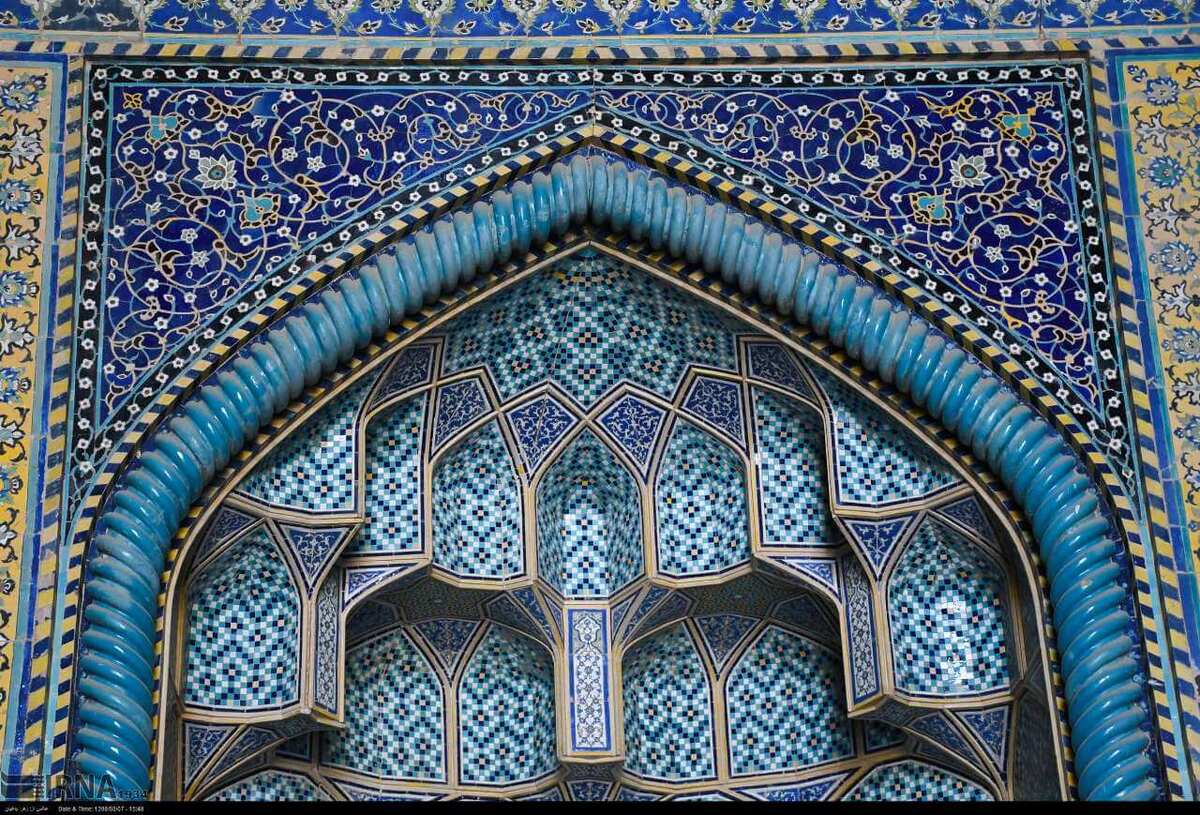
CultureMarch 22, 2010 Tile Working in IranTile working in Iran dates back at least to 1250 B byRahman Mehraby
CultureMarch 22, 2010 Theater in Iran; History of TheaterThe theater was originated, through evolution, from religious rites and byRahman Mehraby
CultureMarch 22, 2010 Pottery Making in Iran; Ancient FormsThere can be found no ancient art resulting in a work like pottery making in byRahman Mehraby
Iranian MusicMarch 22, 2010 Music of Iran; Pre-Islam, Post-IslamMusic of Iran is an ancient traditional art byRahman Mehraby
CultureMarch 22, 2010 Art of Miniature in Iran; PaintingIt is said that the history of miniature art in Iran starts with Mani byEditorial Staff
CultureMarch 22, 2010 Metalworking in Iran; DevelopmentsMetalworking has started in Iran since ancient times byRahman Mehraby
CultureMarch 22, 2010 Lacquer Painting in Iran; DevelopmentThe origin of lacquer painting in Iran goes back to the late Safavid period and byRahman Mehraby
Tourist AttractionsMarch 22, 2010 The Persian Qanat; Kariz AqueductThe Persian Qanat or Kariz (aqueduct) is an ancient water distribution system, byEditorial Staff
CultureMarch 22, 2010 Gold Works and Jewelry in IranCompared with Mesopotamia and the Nile banks where water was easily accessible byRahman Mehraby